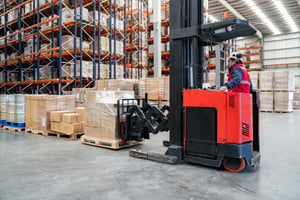

Walk the floor of any high-volume distribution centre in Canada right now, and you'll notice...
Canadian warehouses are heading into 2027 with a changing labour market. Job vacancies are beginning to recover, immigration policy is shifting, automation is changing how work gets done, and trade uncertainty continues to complicate demand forecasts.
For warehouse and distribution operators, these changes make workforce planning more important than ever. Here are six trends to watch and a few practical ways to prepare.
Key Takeaways
- Warehouse hiring demand is showing signs of recovery, but conditions vary by region and role.
- Changes to the Temporary Foreign Worker Program (TFWP) will affect workforce planning in 2027.
- Automation is changing warehouse job requirements, increasing the need for training and technical skills.
- Retention, onboarding and flexible staffing models will remain important to workforce stability.
- Regional labour conditions and provincial compliance requirements make one-size-fits-all staffing strategies less effective.
What Is the Outlook for Canada's Warehouse Labour Market in 2027?
The outlook points to gradual recovery, although hiring conditions remain uneven.
According to Statistics Canada's first-quarter 2026 job vacancy report, vacancies increased to 506,700 nationally, marking the first quarterly increase since 2022. However, vacancies remained 3.2% below the previous year's level.
The warehouse sector is showing some encouraging signs. Statistics Canada payroll data showed warehousing and storage employment increased 1.9% year over year in February 2026, despite a decline across transportation and warehousing overall.
For employers, the takeaway is that hiring opportunities may be improving, but finding dependable, trained and safety-minded associates will still require a thoughtful approach.
Trend 1: Hiring Demand Returns, but Unevenly
A recovery in job vacancies doesn’t mean every warehouse will experience the same conditions.
Distribution hubs near major population centres, manufacturing regions, and cross-border corridors may experience different hiring pressures than smaller markets. Employers operating multiple facilities could find one location has a healthy applicant pool while another struggles to fill second-shift positions.
For 2027, workforce planning should account for local wage expectations, commute patterns, competing employers, and site-specific turnover rather than relying on national labour market averages.
Trend 2: Immigration Policy Reshapes the Labour Supply
Canada continues to adjust its temporary immigration programs, making it important for warehouse employers to understand how policy changes affect their hiring options.
The 2027–2029 Immigration Levels Plan sets the Temporary Foreign Worker Program target at 50,000 admissions in 2027, compared with 60,000 in 2026. The government also aims to reduce the temporary resident population to less than 5% of Canada's total population.
Recent program changes introduce some additional flexibility:
-
November 6, 2026: Low-wage stream Labour Market Impact Assessments (LMIAs) can now have a duration of up to two years, compared with one year previously.
-
March 1, 2027: Proposed regional changes, subject to provincial and territorial participation, will provide more targeted access to the program. Eligible employers in designated communities could also see the workforce cap increase from 10% to 15%.
These changes don’t apply uniformly across Canada. Employers should review the federal government's TFWP announcement and consult qualified immigration professionals before incorporating the program into workforce plans.
Trend 3: Automation Changes the Work More Than It Removes It
Automated guided vehicles, robotic picking, and smarter warehouse management systems are becoming increasingly relevant to distribution operations. What does that mean for the workforce?
Statistics Canada's research on the employment consequences of robotics found that Canadian companies adopted robots primarily to improve product and service quality, rather than reduce labour costs. The research also found that robotics adoption was associated with increased employment within adopting firms.
For warehouse operators, the implication is a shift in skills and responsibilities. Facilities investing in automation still need people to monitor equipment, troubleshoot problems, manage exceptions, and maintain accurate inventory records.
Training existing associates and developing clear paths into equipment and technology-related roles will become increasingly valuable.
Trend 4: Retention and Onboarding Become Workforce Priorities
More applicants don’t automatically translate into a more stable workforce.
When new associates leave within their first few weeks, employers face repeated recruiting and training costs, scheduling disruptions, and additional pressure on supervisors and existing employees.
Structured onboarding, clear safety expectations, dependable first-week schedules, and regular supervisor check-ins can help improve the new-hire experience and reduce early turnover.
A consistent on-site management approach also gives associates access to support when questions or challenges arise, helping employers build a more reliable workforce.
Trend 5: Flexible Workforce Models Gain Ground
Warehouse volumes fluctuate with retail seasons, harvest cycles, promotions, and changing trade conditions. Maintaining a fixed headcount through every demand cycle can leave employers either understaffed during peaks or overstaffed during slower periods.
A blended workforce model combines a dependable core team with flexible, trained labour that can scale with operational needs.
Trade uncertainty adds another consideration. The Financial Accountability Office of Ontario's 2025 labour market review reported job losses in tariff-affected industries, including 3,700 positions in transportation and warehousing.
For employers, the ability to adjust staffing levels as volumes change can help maintain productivity without carrying unnecessary labour costs.
Trend 6: Compliance Becomes More Complex Across Provinces
Employers operating across Canada must account for differences in provincial employment standards, health and safety requirements and, in Quebec, French-language workplace obligations.
As operations expand, maintaining consistent onboarding documents, training records and scheduling practices while meeting local requirements becomes more challenging.
Reliable workforce management processes and knowledgeable staffing partners can help employers maintain consistency while accounting for regional differences.
How Can Warehouse Employers Prepare for 2027?
A few practical steps can help operators build a more adaptable workforce:
- Plan by location. Review wages, turnover, fill rates and hiring conditions at each facility.
- Review immigration requirements. Understand how upcoming TFWP changes affect your locations and workforce plans.
- Strengthen onboarding. Invest in structured training, safety orientation and supervisor support during the first 90 days.
- Build staffing flexibility. Establish a dependable core workforce supported by trained associates who can help manage seasonal peaks.
- Connect technology with training. Prepare existing employees for changing responsibilities as automation expands.
- Stay current on compliance. Review provincial requirements and keep workforce documentation and processes up to date.
2027 Outlook Takeaways
The Canadian warehouse workforce in 2027 will reward employers who plan locally, adapt to changing regulations, and treat retention as seriously as recruitment.
Eclipse Advantage supports warehousing, distribution, and light industrial operations across Canada through staffing and on-site workforce management solutions. Our approach helps employers build dependable teams, manage changing labour demands, and maintain productive operations.
If you're evaluating your workforce strategy for 2027, our team can help you explore solutions that align with your operational needs.
Frequently Asked Questions
Is there a labour shortage in Canadian warehouses in 2027?
Labour market conditions have eased from previous peaks, but hiring challenges remain. Statistics Canada reported a decline in transportation and warehousing vacancies in 2025, followed by an increase in overall job vacancies in early 2026. Conditions continue to vary by region, shift and position.
How many temporary foreign workers will Canada admit through the TFWP in 2027?
The 2027–2029 Immigration Levels Plan sets the Temporary Foreign Worker Program target at 50,000 admissions for 2027. The separate International Mobility Program target is 170,000.
Will automation replace warehouse workers in Canada?
Current Canadian research suggests robotics adoption has been driven primarily by quality and productivity improvements rather than labour cost reduction. Automation is changing job responsibilities and increasing the need for employees with equipment, technology and problem-solving skills.
How can warehouse employers improve workforce retention?
Structured onboarding, consistent safety training, regular supervisor check-ins and dependable scheduling can help improve the new-hire experience. Combining these practices with on-site workforce management can also help identify and address staffing challenges earlier.